GASTRAL FACTORS
- Resolute Men's Care
- Jul 28
- 4 min read
Updated: Aug 15
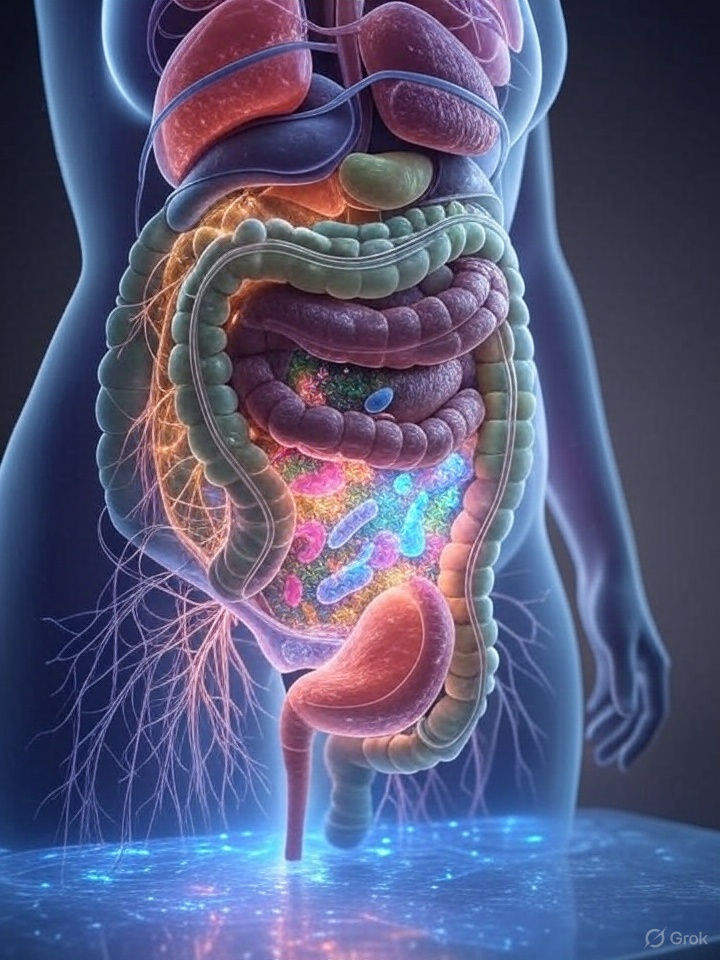
Erectile dysfunction (ED) affects many men worldwide, often stemming from vascular, neurological, or hormonal issues. However, emerging research highlights the gastrointestinal system—commonly referred to as the gut—as a key player in sexual function. The gut acts as a central hub for nutrient absorption, immune regulation, and hormone metabolism, all of which indirectly support the vascular and neural processes needed for erections. Disruptions in gut health can lead to systemic imbalances that impair blood flow, hormone levels, and inflammation control, contributing to ED.
How the Gut Connects to Sexual Function
The gut's impact on erections is mediated through several interconnected pathways:
Nutrient Absorption and Hormone Support: The intestines absorb vital nutrients like zinc, magnesium, and vitamins that are essential for testosterone production and nitric oxide synthesis, which relaxes blood vessels in the penis for erections.
Microbiome Regulation: Trillions of bacteria in the gut microbiome influence hormone metabolism, including converting precursors into active testosterone, and help modulate stress hormones like cortisol that can suppress sexual desire.
Inflammation and Vascular Health: A balanced gut reduces chronic inflammation, preventing damage to blood vessels and endothelial cells crucial for erectile response.
Gut-Brain Axis: This communication network links the gut to the brain via neurotransmitters like serotonin (mostly produced in the gut), affecting mood, anxiety, and arousal signals that initiate erections.
When sexual arousal occurs, the body relies on optimal blood flow and hormonal signals. The gut supports this by maintaining a healthy microbiome and barrier integrity, ensuring nutrients and signals flow efficiently. Research using Mendelian randomization has even suggested a causal link between certain gut bacteria and ED risk.
Core Gastral Elements Involved
Several key aspects of the gastrointestinal system are pivotal in maintaining erectile health:
Gut Microbiome: A diverse community of microbes that metabolizes hormones and produces short-chain fatty acids (SCFAs) to reduce inflammation and support vascular function.
Intestinal Barrier: The gut lining acts as a selective filter, preventing harmful substances from entering the bloodstream while allowing nutrient uptake. When intact, it helps avoid "leaky gut" syndrome, which can trigger widespread inflammation.
Digestive Enzymes and Absorption Sites: These facilitate the breakdown and uptake of foods, ensuring the body gets compounds like L-arginine (a precursor to nitric oxide) needed for penile blood flow.
These elements work in harmony: the microbiome influences barrier strength, which in turn affects absorption and systemic health, ultimately supporting the physiological demands of an erection.
Factors Leading to Gut Dysbiosis and ED
Gut dysbiosis can arise from various lifestyle and environmental triggers, indirectly contributing to ED:
Poor Diet: High intake of processed foods, sugars, and saturated fats promotes harmful bacteria growth while starving beneficial ones, leading to inflammation and hormonal imbalances.
Antibiotic Overuse: Frequent antibiotics wipe out good bacteria, disrupting microbiome diversity and allowing pathogens to thrive, which may affect hormone regulation.
Chronic Stress: Stress hormones like cortisol alter gut motility and microbiome composition, increasing permeability and systemic inflammation that impacts vascular health.
Sedentary Lifestyle: Lack of exercise reduces gut motility, leading to constipation and dysbiosis, which can contribute to metabolic issues linked to ED.
Alcohol and Tobacco: Excessive alcohol irritates the gut lining, while smoking reduces microbiome diversity, both fostering inflammation and oxidative stress.
Medications: Certain drugs, like proton pump inhibitors (PPIs) for acid reflux or non-steroidal anti-inflammatory drugs (NSAIDs), can damage the intestinal barrier and shift microbial balance.
Aging and Infections: Natural aging or recurrent gut infections (e.g., from food poisoning) can diminish microbiome resilience, exacerbating ED risk through chronic low-grade inflammation.
While some studies suggest a strong association between gut dysbiosis and ED, others indicate the link may not be universal, highlighting the need for more research.
Strategies to Prevent Gut Dysbiosis and Protect Against ED
Maintaining gut health can help safeguard erectile function.
Here are proactive steps:
Adopt a Gut-Friendly Diet: Prioritize fiber-rich foods like vegetables, fruits, whole grains, and fermented items (e.g., yogurt, kimchi) to nourish beneficial bacteria and produce anti-inflammatory SCFAs.
Incorporate Probiotics and Prebiotics: Consume probiotic supplements or foods (e.g., kefir) to introduce helpful strains, and prebiotics (e.g., garlic, onions) to feed them, potentially supporting vascular and hormonal health.
Exercise Regularly: Aim for at least 150 minutes of moderate activity weekly to enhance gut motility, reduce stress, and promote microbiome diversity.
Manage Stress: Techniques like meditation, deep breathing, or therapy can lower cortisol, preserving gut barrier integrity and reducing inflammation.
Limit Harmful Substances: Moderate alcohol, quit smoking, and use antibiotics or medications only when necessary to avoid unnecessary microbiome disruptions.
Stay Hydrated and Get Routine Checkups: Drink plenty of water to support digestion, and screen for gut issues (e.g., via stool tests) to catch imbalances early.
Recovering from Gut Dysbiosis to Improve ED
If dysbiosis is already affecting sexual health, targeted interventions can help restore balance and alleviate symptoms:
Microbiome Reset: Follow a short-term elimination diet (e.g., removing sugars and processed foods) combined with probiotic supplementation to repopulate beneficial bacteria. Studies suggest this can reduce inflammation and improve hormone levels.
Incorporate Fermented Foods and Supplements**: Gradually add probiotic-rich foods or strains like Lactobacillus and Bifidobacterium, which may help repair the gut barrier and enhance metabolic profiles.
Address Underlying Issues: Treat any infections or conditions (e.g., IBS) with medical guidance, and consider fecal microbiota transplantation (FMT) in severe cases, though this is experimental for ED.
Lifestyle Overhaul: Combine exercise, stress management, and sleep optimization (7–9 hours nightly) to support gut recovery and boost testosterone naturally.
Medical Support: Consult a gastroenterologist or urologist for tests like microbiome analysis or hormone panels. ED treatments like PDE5 inhibitors (e.g., sildenafil) can provide relief while gut health improves.
Monitor Progress: Track symptoms with a journal and retest gut health after 4–8 weeks to adjust strategies, ensuring gradual restoration of erectile function.
final thoughts
The gastrointestinal system's role in erectile dysfunction underscores the importance of holistic health what happens in the gut doesn't stay in the gut. By addressing dysbiosis through diet, lifestyle, and targeted therapies, men can mitigate its contributions to ED and enhance overall well-being. While research continues to evolve, evidence points to the gut microbiome as both a potential risk factor and a therapeutic target. If symptoms persist, professional medical advice is essential to rule out other causes and tailor interventions.


Comments